Business Case Competitions
Strategy · Presentation · Team Collaboration
Overview
Using engineering tools to solve real-world business problems. Participated in the LEEDs data analytics competition and the CAHRMM healthcare supply chain competition with my team, MonkeyNomics, competing against both undergraduate and graduate teams.
Skills Used
Results
- Only team to computationally solve the LEEDs case
- Impressively effective at CAHRMM, unique engineering approach stood out
- 2nd place finish at both the CU LEEDS Data Analytics CASE Competition and the CAHRMM Healthcare Competition
LEEDs Data Analytics Competition
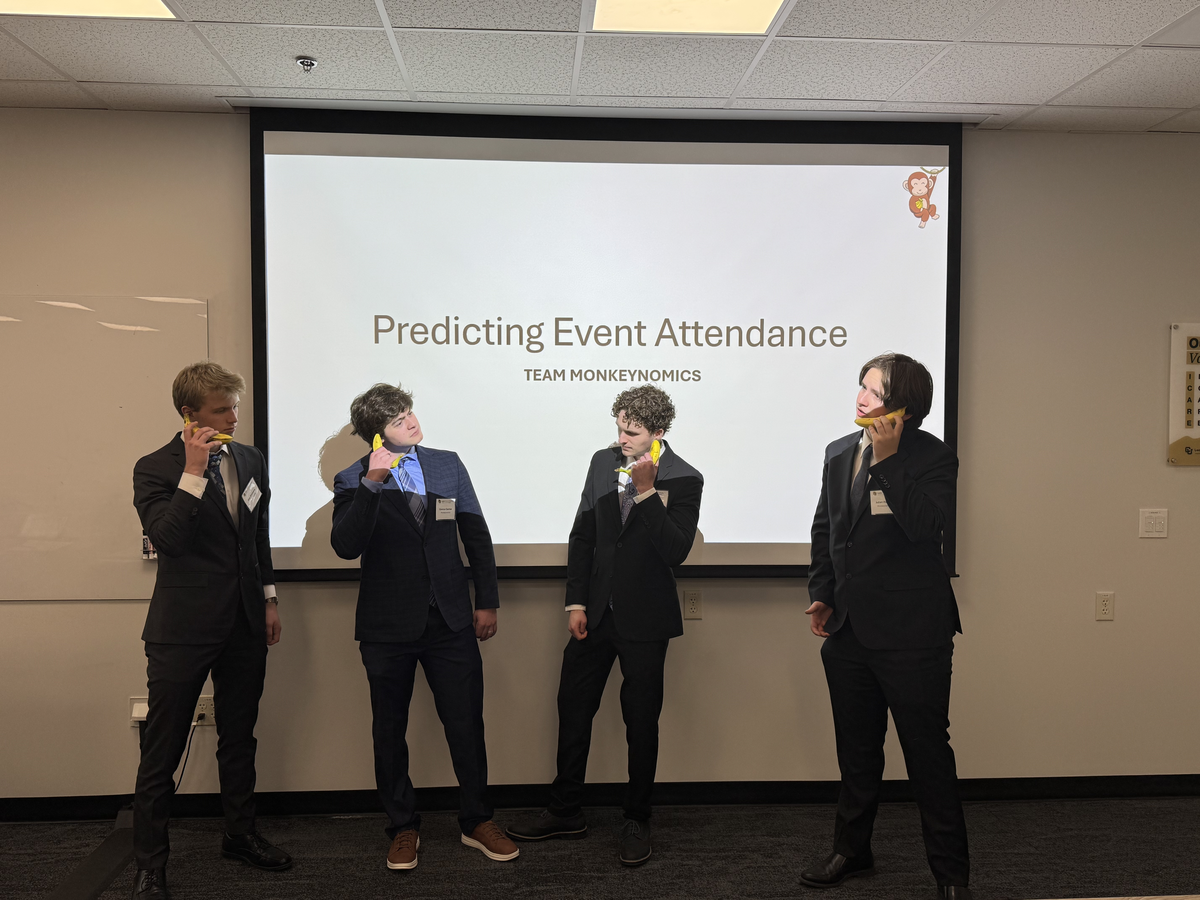
The LEEDs competition tasked us with predicting the absence rate for prospective student events at the university. We developed a scorecard algorithm in MATLAB, which accounted for individual factors such as weather or travel distance, and then calculated the probability of a no-show. At the competition, we were the only group to have computationally solved the problem, which really impressed the judges.
CAHRMM Healthcare Competition
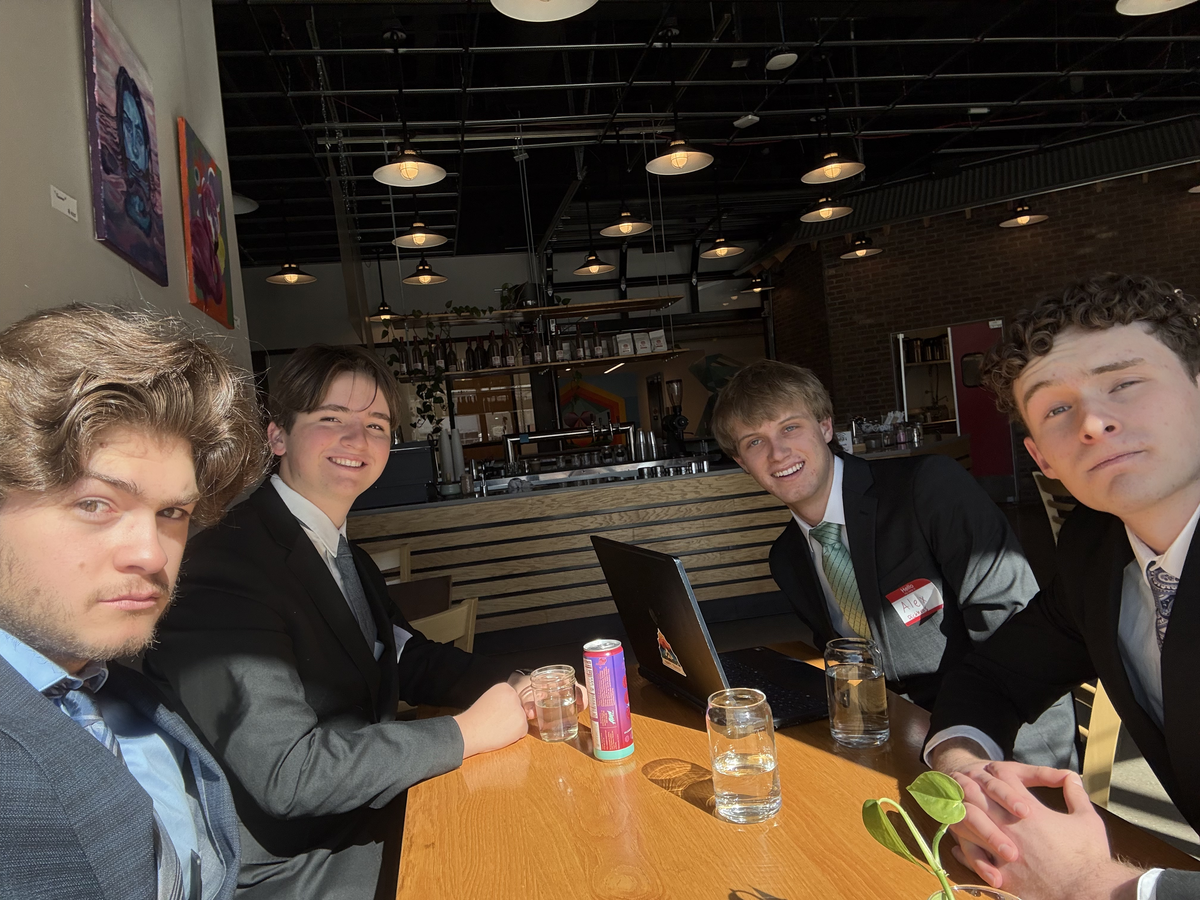
A similar story unfolded for the CAHRMM competition, where we worked as members of the Colorado Healthcare incident response team for an IV shortage. We used a Python script to optimize IV usage and to help us easily calculate the days of inventory on hand. Once again, the unique engineering tools we used impressed the judges because it was a surprisingly effective method that isn't normally seen in the business world.
Personal Development
Along with learning how to develop algorithms and code to assist our analysis, we have also spent a lot of time learning how to build an effective presentation. The world of business, and engineering too, relies heavily on the ability to communicate effectively with different people. One of the biggest tricks we have learned is to start with data and calculations to establish trust with your audience. We plan to compete in many more case competitions while in undergrad to increase our communication and data analytics skills.